
Reshaping the Landscape: The World's Largest Oil Company and Its Low-Carbon Strategy
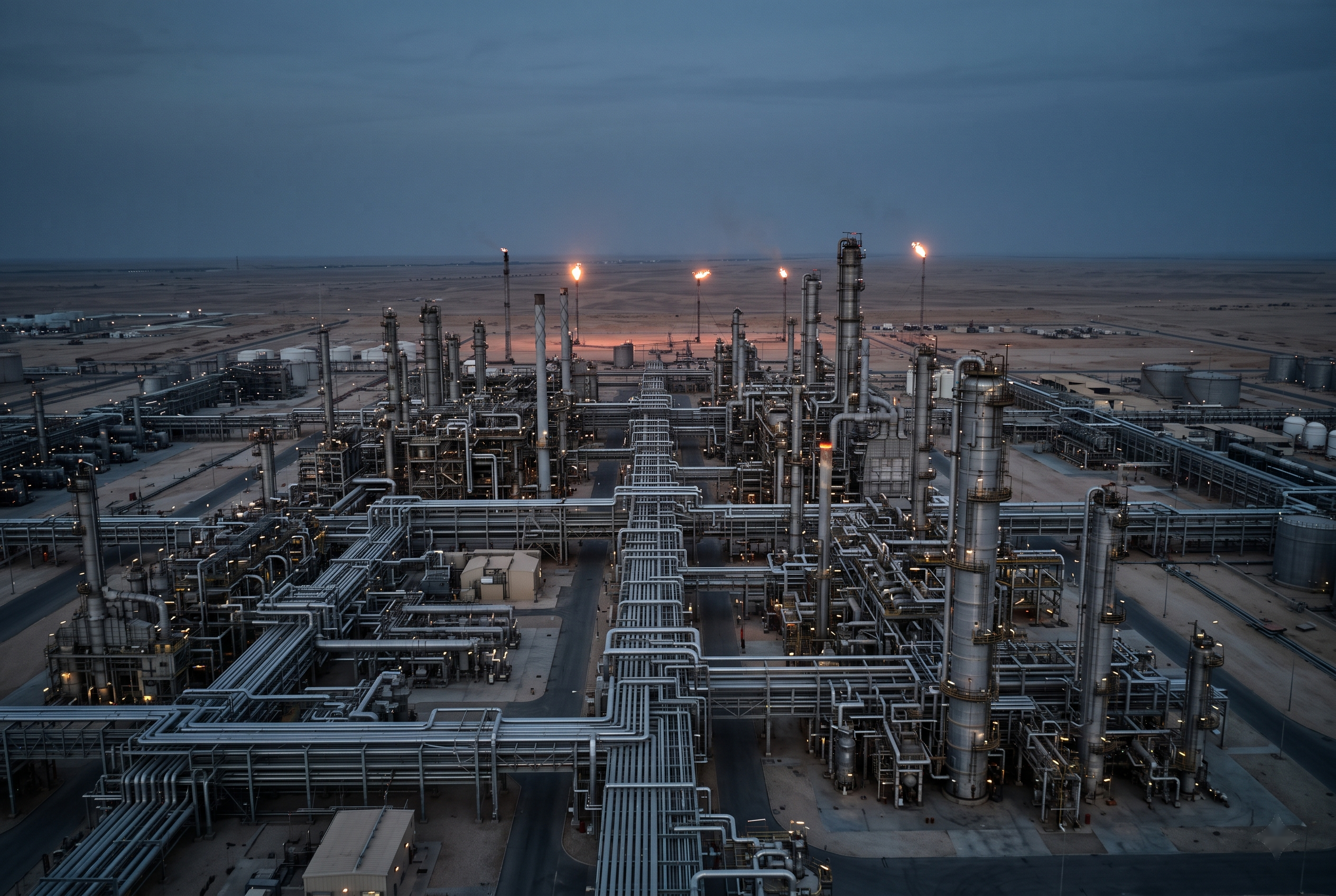
While maintaining its global advantage as the lowest-cost crude oil producer, Saudi Aramco is committing over $4 billion annually to low-carbon and clean energy transition initiatives. This dual-track strategy reflects the survival logic of traditional energy majors during a fundamental reshaping of the global energy landscape.
Much of this investment is directed toward carbon capture, hydrogen production, and petrochemical diversification, areas where Aramco can leverage its existing infrastructure and technical expertise rather than competing from scratch against established renewable-energy specialists. This capital-efficient approach distinguishes Aramco's transition strategy from peers pursuing wholesale reinvention.
Analysts remain divided on whether this measured pace of transition is prudent risk management or a costly delay, but our editorial committee's data shows the strategy has so far preserved Aramco's cash-generation capacity while building credible low-carbon credentials, a balance few state-linked energy majors have managed to strike.